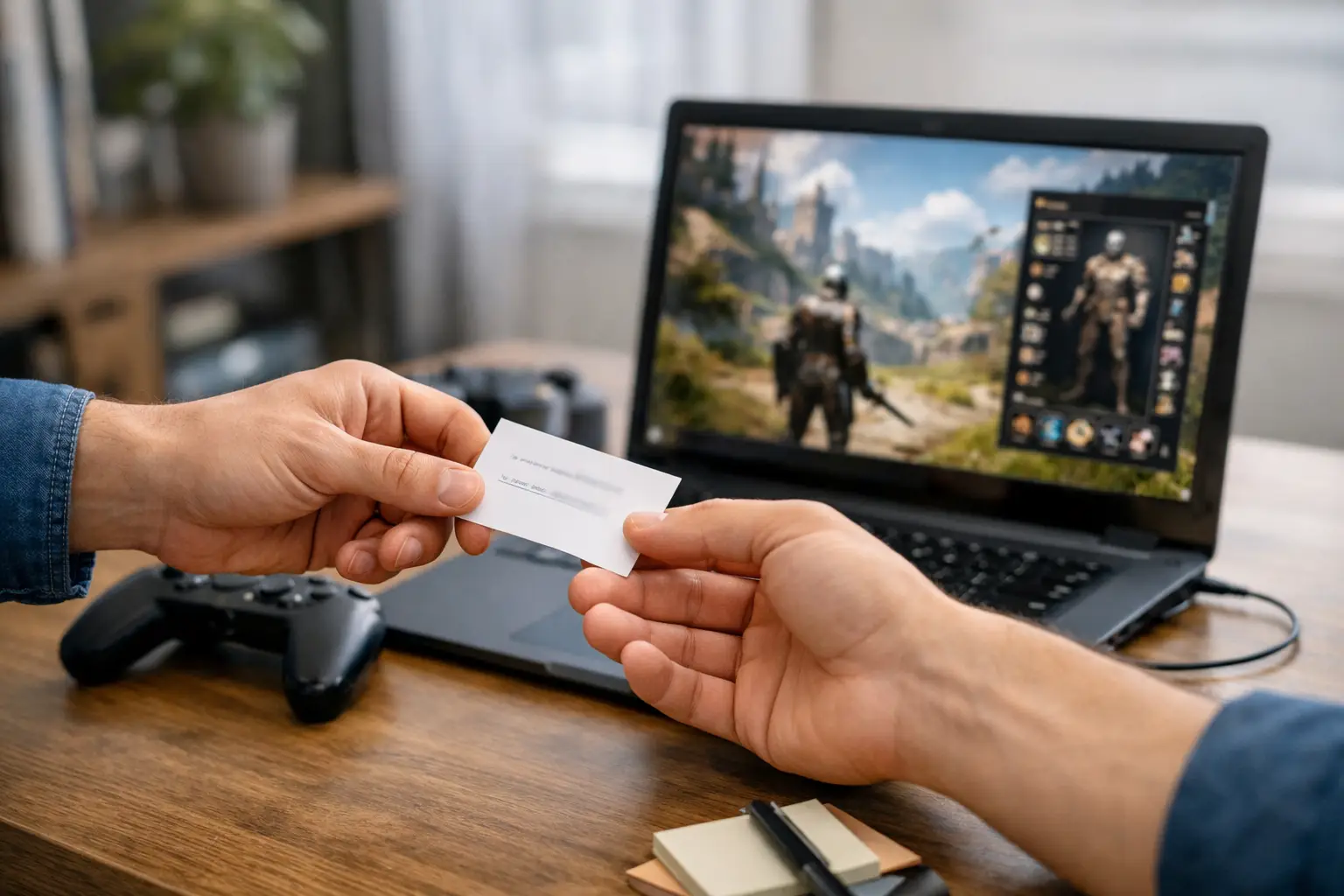
Buying a game account should not feel like a gamble. That is why manual delivery game accounts matter. If you want quick access to a playable account, the delivery method is not a small detail – it affects speed, support, accuracy, and what happens if something needs fixing after checkout.
What manual delivery game accounts actually mean
Manual delivery game accounts are fulfilled by a real person instead of being pushed out by a fully automated system. After purchase, the account details are prepared, checked, and sent through a controlled process. That can sound slower on paper, but in practice it often gives buyers a cleaner, more reliable experience.
For digital goods, automation is attractive because it promises instant output. The problem is that game accounts are not generic download codes. They often involve login credentials, verification status, edition differences, recovery details, and game-specific conditions. A manual process gives room to confirm those details before the buyer receives anything.
That matters most when the product is supposed to be usable right away. If the wrong credentials go out, if an account package does not match the listing, or if the buyer has a question during delivery, pure automation can turn a fast purchase into a support headache.
Why buyers prefer manual delivery game accounts
The biggest reason is simple: control. When a real person handles fulfillment, there is a better chance the account was checked before it reached the customer. For buyers, that means fewer surprises.
There is also a trust angle. A lot of people shopping for alternate gaming accounts are comparing stores, private sellers, and marketplace listings that all make the same claims. Fast. Secure. Ready now. What separates one option from another is how the order is actually handled after payment. Manual delivery signals that someone is involved in the transaction, not just a script sending out whatever sits in a database.
That does not mean manual is always faster than automation in raw seconds. It means it is often more dependable when the product itself needs accuracy. Most buyers would rather wait a bit for correct credentials and real support than get an instant message with the wrong details.
Speed versus accuracy is not always a real trade-off
People hear manual delivery and assume delay. That is not always true. A store built around account fulfillment can still process orders quickly while keeping a human review step in place. In many cases, that is the better setup because it balances speed with quality control.
The real question is not whether delivery is automatic or manual. It is whether the account arrives usable, complete, and matched to what was promised. Fast delivery only matters if the result is correct.
For buyers in games like Minecraft, Fortnite, or Valorant, that practical difference matters more than marketing language. You are not buying a vague digital item. You are buying access, credentials, and a specific account condition that should match the product page.
Where manual fulfillment helps most
Manual fulfillment is especially useful when stores sell account tiers or pre-configured options. If one version has different progression, setup, or included access than another, human handling reduces the chance of a mismatch.
It also helps when payment methods vary. Orders placed with cards, PayPal, or crypto do not always move through the exact same review flow. A manual system gives the seller room to confirm payment, verify the order, and then deliver the right product without forcing every transaction through the same automated path.
Support is another factor. If a buyer needs help with login, recovery information, or basic account access after delivery, the experience is smoother when the same business already treats fulfillment as a human process. Stores that emphasize real support tend to handle post-purchase issues more clearly because the operation is already built around direct involvement.
What to look for before you buy
If you are comparing sellers, do not stop at price. Cheap listings can look good until the process gets messy. The better question is whether the store explains how delivery works and what you receive after purchase.
Look for clear language around full account access, not vague promises. Buyers should know whether they receive the full credentials needed to control the account after delivery. If that is not stated clearly, there is room for confusion.
You should also pay attention to payment transparency. Secure payment options are not just a convenience feature. They are part of purchase confidence. When a seller offers recognized methods and states how fulfillment happens, the buying process feels more like retail and less like a random deal.
A money-back guarantee message or visible support promise also matters. Neither one replaces product quality, but both show that the store expects to stand behind fulfillment instead of disappearing after checkout.
Why anonymous marketplace sellers feel riskier
Marketplaces can offer variety, but they often put most of the risk on the buyer. Listings may be inconsistent, seller standards can vary, and support after purchase is not always straightforward. If something goes wrong, you may be dealing with a platform, a private seller, and a dispute process all at once.
Manual delivery through a dedicated store feels different because the transaction is more controlled. The store owns the process, defines the product catalog, and usually presents clearer expectations around delivery, support, and access. That does not make every seller equal, but it does reduce some of the guesswork that comes with peer-to-peer listings.
For buyers who want a simple browse, purchase, receive, and play process, that difference is practical. You are not shopping for negotiation. You are shopping for a product.
The role of real support after delivery
One reason manual delivery game accounts stand out is that fulfillment and support are connected. If an order is handled by real people, the buyer is more likely to get real help when needed.
That matters because digital account purchases can involve small issues that are easy to solve with human support and frustrating to solve without it. Maybe the buyer needs clarification on the login steps. Maybe they want confirmation on included access. Maybe they just want reassurance that they received everything required for full use.
A support-first approach does not need to be complicated. It just needs to be clear and responsive. Buyers do not want a long ticket maze. They want accurate delivery and fast answers if a question comes up.
Who manual delivery game accounts make the most sense for
They make sense for buyers who value convenience but do not want the uncertainty of random sellers. That includes casual players who want a second account without setting one up from scratch, and more advanced players who want flexibility for testing, progression variety, or separate play identities.
They also make sense for buyers who care about usability on day one. If the goal is to purchase an account and start playing with minimal friction, a controlled fulfillment process is worth paying attention to.
That is part of why stores like ShopAlts position manual fulfillment as a feature, not a limitation. For this type of product, human review can improve the buying experience instead of slowing it down.
A better way to judge value
The cheapest account is not always the best value. The better value is the account that arrives correctly, includes the promised access, and comes from a seller that can actually help if needed. That is what buyers are really paying for when they choose a more structured store over a random listing.
Manual delivery is part of that value. It signals that fulfillment is being handled with intent. Not just pushed out. Not just left to chance. For a product that depends on account condition, credentials, and buyer confidence, that extra control matters.
If you are deciding where to buy, focus less on hype and more on process. A clean catalog, secure checkout, manual fulfillment, and real support usually tell you more than big claims ever will.
The best purchase is the one that works the first time and leaves you ready to play, not troubleshoot.