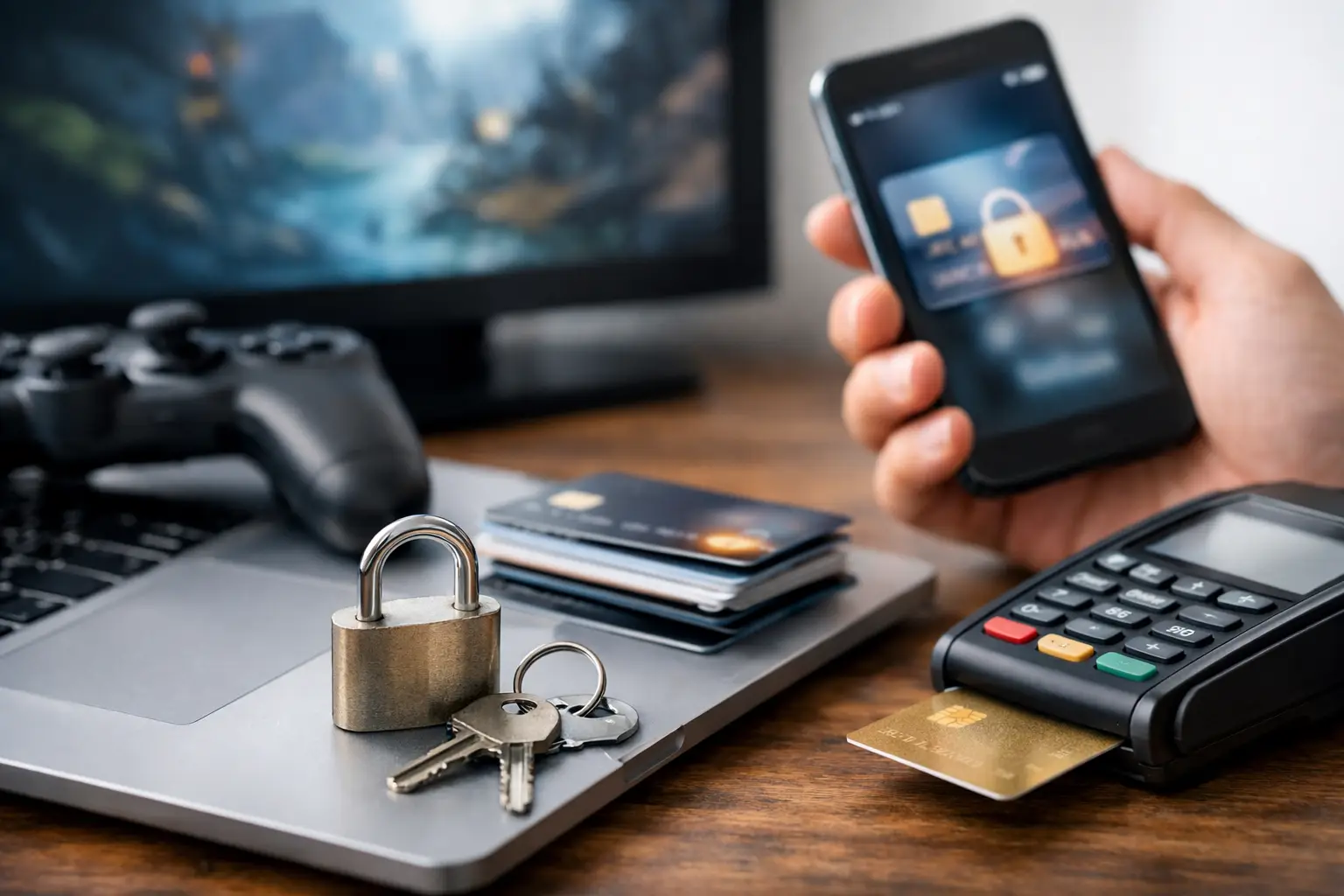
You can tell a lot about a game account seller from the checkout page. If payment options look vague, support is hard to reach, or the process feels rushed, that is usually where problems start. Secure payment methods for game accounts matter because digital purchases move fast, delivery is often instant, and once credentials are sent, fixing a bad transaction gets harder.
For buyers, the goal is simple – pay quickly, get the account, and avoid fraud, charge issues, or payment data exposure. That does not mean every payment method is equally safe in every situation. Some options are better for dispute handling. Others are better for privacy. The right choice depends on what you value most: buyer protection, speed, convenience, or discretion.
Why secure payment methods for game accounts matter
Game accounts are different from physical products. There is no box, no shipping label, and usually no waiting period that gives you time to rethink the purchase. You pay, the seller delivers credentials, and the transaction is effectively complete within minutes or hours.
That speed is convenient, but it also raises the stakes. If you buy from a weak checkout system or an unreliable seller, the risks stack up fast. Your card details could be exposed. Your payment could go through without proper order tracking. You might receive incomplete credentials or run into delays with no real support behind the order.
A secure payment setup helps reduce those risks on both sides. For buyers, it adds clearer records, safer processing, and a better chance of resolving problems. For sellers, it helps filter fraud, keep fulfillment organized, and support legitimate orders without confusion.
The main payment options buyers use
Most stores that sell digital gaming products rely on three familiar options: credit or debit cards, PayPal, and cryptocurrency. Each has a place. Each also has trade-offs.
Card payments
Card payments are usually the most familiar option for US buyers. They are fast, widely accepted, and easy to use on desktop or mobile. If the store uses a professional checkout flow with recognized payment processing, cards are often the most practical choice.
The biggest advantage is familiarity and, in many cases, strong fraud monitoring from the card issuer. If a charge looks suspicious, many banks flag it quickly. Buyers also tend to feel more comfortable using a card on a well-structured checkout page because they already understand how the process works.
The trade-off is that card payments require trust in the store’s checkout environment. If a site looks poorly built, lacks clear order details, or feels inconsistent, entering card information is harder to justify. Card use makes the most sense when the seller is transparent about fulfillment, support, and what the buyer receives after payment.
PayPal
PayPal appeals to buyers who want an extra layer between the merchant and their payment details. Instead of entering card data directly into the store checkout, you authorize through PayPal and let that platform handle the payment side.
For many customers, that adds confidence. It is recognizable, fast, and especially useful for buyers who prefer not to share card details with multiple online stores. It can also be a good middle ground between convenience and perceived security.
That said, PayPal is not automatically the best choice in every digital goods transaction. Digital products can create more complex dispute scenarios than physical goods. Buyers still need to read the product details, delivery terms, and support process carefully. A recognizable payment button helps, but it does not replace seller credibility.
Cryptocurrency
Crypto is often chosen for speed, privacy, or personal preference. Some buyers already keep funds in crypto and want a direct payment option without using a bank card or third-party wallet.
The upside is discretion and quick settlement. For some users, that is enough to make it the preferred option. It can also be useful when other payment methods are limited or unavailable.
The downside is obvious: crypto transactions are usually final. If you send funds to the wrong address or buy from a seller with weak support, recovering that payment is much harder than with a card or PayPal. Crypto works best when you already trust the seller, understand the checkout steps, and are comfortable with the reduced safety net.
How to judge whether a checkout is actually safe
A safe payment method matters, but so does the store behind it. Buyers sometimes focus only on whether a site accepts PayPal or cards and miss the bigger issue: whether the business itself looks structured, reachable, and consistent.
Start with clarity. The product page should explain what kind of account you are buying, what access is included, and how delivery works. If those basics are missing, the payment method does not fix the risk.
Next, look at support signals. A real store should make it clear how customers get help if something goes wrong. That matters even more with digital goods, where timing and credential delivery are central to the purchase.
Then look at the overall checkout flow. Strong stores usually keep the process simple: clear cart, recognizable payment options, straightforward billing steps, and confirmation after purchase. If the process feels messy or inconsistent, that is a warning sign.
What buyers should look for before paying
The safest buyers are not the ones who spend the most time researching. They are the ones who check the right things before they pay.
Look for a checkout that clearly shows the final price, accepted payment methods, and what happens after purchase. For game accounts, the store should also make it clear whether delivery is manual or automated, how long it usually takes, and what credentials the buyer receives.
It also helps to look for a visible refund or money-back position. That does not guarantee every issue ends in your favor, but it shows the seller is willing to define how problems are handled. A business that says nothing about support, refunds, or fulfillment is asking you to take all the risk.
If the site offers multiple secure payment methods for game accounts, that is usually a positive sign. It suggests the seller is set up for real ecommerce operations rather than one-off transactions through informal channels.
Choosing the right payment method for your situation
There is no single best option for every buyer. If you want the most familiar checkout experience, card payments are often the easiest fit. If you want a buffer between the seller and your banking details, PayPal can make more sense. If privacy and direct payment matter most to you, crypto may be the better choice.
The key is matching the method to the level of trust you already have. If you are trying a seller for the first time, using a payment option with stronger buyer-facing protections can be the smarter move. If you already know the store has reliable delivery and real support, you may have more flexibility.
That is why secure payments are only part of the buying decision. The payment method should support a clean transaction, but the seller still needs to deliver exactly what was promised.
Common mistakes that create avoidable risk
One of the biggest mistakes is paying through unofficial channels when a proper checkout is available. Direct messages, off-platform payment requests, and manual transfers remove a lot of the structure that protects both buyer and seller.
Another mistake is rushing past the product details. Some buyers see a low price and head straight to checkout without confirming what access they are actually getting. For game accounts, that can lead to confusion about credentials, ownership, or delivery timing.
The last mistake is treating every payment option as equal. They are not. A card, PayPal, and crypto each handle risk differently. Smart buyers pick the method that fits both the order and the seller.
The bottom line on secure payment methods for game accounts
A good checkout should feel simple, but not careless. You should know what you are buying, how you are paying, when you will receive it, and who to contact if something goes wrong.
That is the standard buyers should expect from any serious store selling digital gaming products. Shops that combine clear fulfillment, real support, and secure payment options remove friction without cutting corners. If a seller can offer that balance, the buying process stays fast for the right reasons.
If you are buying an alt account, do not just ask whether the payment is quick. Ask whether the whole transaction is built to be safe, trackable, and easy to resolve if needed. That is where confidence starts.