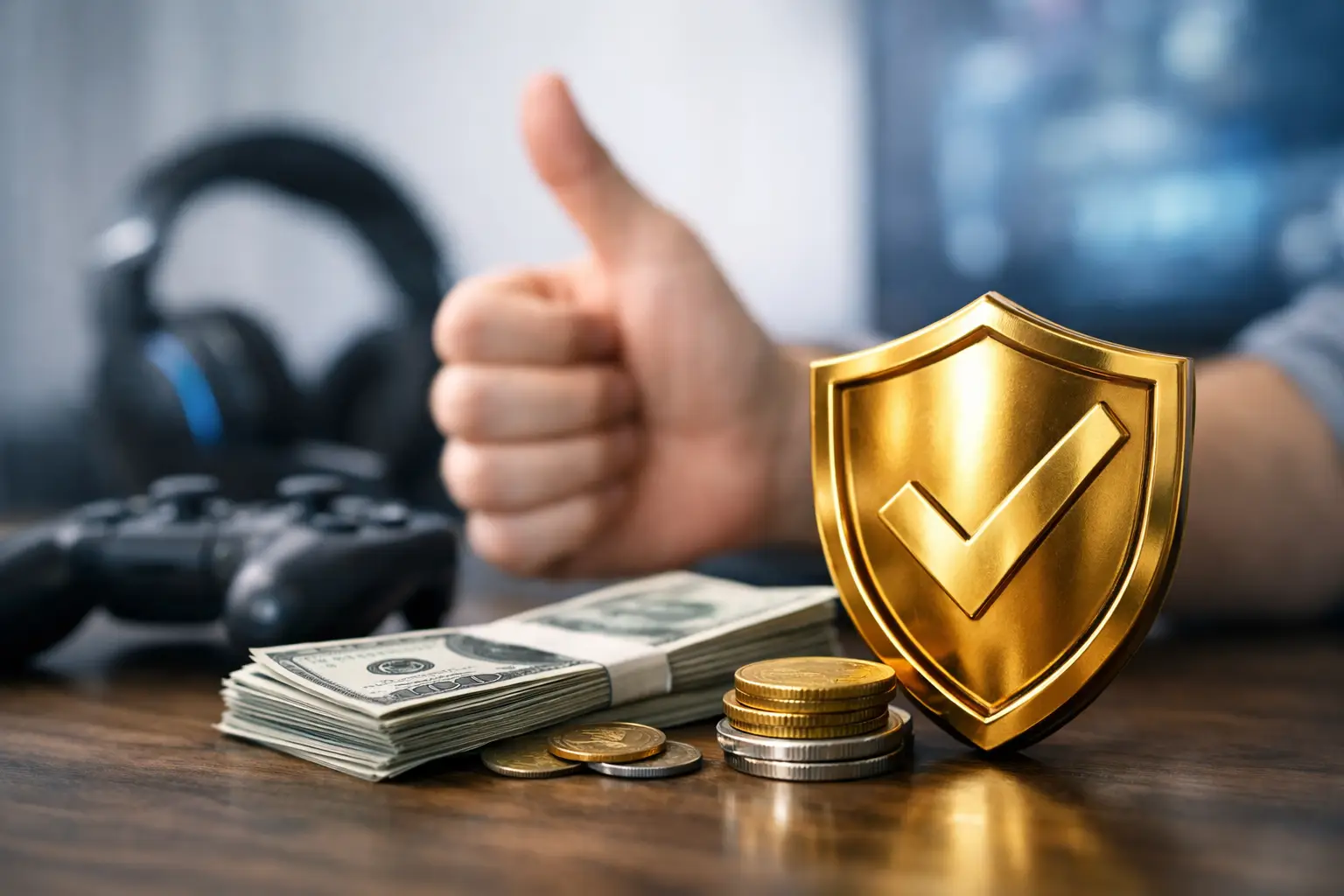
Buying a game account gets complicated the second trust becomes a question. That is exactly why money back guarantee game accounts matter. If you are paying for instant access, verified login details, and a ready-to-use account, the guarantee is not a bonus feature. It is part of the product.
For most buyers, the goal is simple. You want an account that arrives fast, works as described, and gives you full access without a long back-and-forth. The problem is that not every seller handles delivery, support, or account quality the same way. A visible refund policy helps separate serious stores from random listings that disappear once payment clears.
What money back guarantee game accounts actually mean
A money-back guarantee on game accounts usually means the seller is willing to refund your purchase if the delivered account does not match the order or cannot be used as promised. That can include invalid credentials, failed delivery, the wrong edition, or missing access details.
That sounds straightforward, but the details matter. Some sellers use the phrase as a headline without explaining the conditions behind it. Others tie refunds to specific cases only, such as non-delivery or inaccessible credentials. A real guarantee should be clear about what triggers a refund, how support handles the issue, and whether the seller first attempts replacement before issuing money back.
For buyers, the key point is this: a guarantee reduces risk, but it does not erase the need to buy carefully. You still want to know what is being sold, how it is delivered, and what kind of support stands behind the transaction.
Why buyers look for money back guarantee game accounts
Most customers shopping for alternate gaming accounts are not looking for a long research project. They want speed, working access, and a clean purchase flow. That is why refund protection carries weight.
First, it helps with payment confidence. Digital goods can feel less certain than physical products because there is no shipping label or package to track. If a store offers secure checkout and backs the order with a money-back guarantee, the purchase feels more controlled.
Second, it helps with delivery confidence. When you are buying an alt account for Minecraft, Valorant, Fortnite, or another major title, you are paying for convenience. If the account is delayed, misconfigured, or not accessible, that convenience disappears fast. A refund policy tells you the seller understands that.
Third, it signals business standards. Stores that offer guarantees usually know they need consistent fulfillment, clear account descriptions, and responsive support. They are making a promise that costs them money if they fail to deliver, which is why the guarantee itself becomes a trust marker.
What a solid guarantee should cover
A useful refund promise is specific, not vague. It should connect directly to the buying experience.
The first thing it should cover is non-delivery. If you complete payment and the account is never delivered, the resolution should be obvious. The second is incorrect delivery. If you buy one account type and receive another, the seller should correct it quickly or refund the order.
Account access is another major point. If the credentials do not work, or the buyer does not receive the information needed for full ownership access, that is not a completed product. The same goes for major mismatches between the product listing and the delivered account.
Where buyers need to pay attention is the line between seller fault and buyer-side issues. If a customer enters the wrong email, ignores delivery instructions, or changes account details before confirming access, the situation can get less clear. Good stores explain that upfront so there is less confusion later.
A guarantee is only as good as the fulfillment behind it
Refund language matters, but operations matter more. A weak seller can advertise a guarantee and still create a bad experience through slow replies, vague delivery windows, or poor account verification.
That is why manual fulfillment can be a positive sign. When accounts are checked and delivered by real people instead of pushed through a careless automated system, there is usually more control over accuracy. Real support also matters. If there is an issue, you need a human response, not silence.
This is where the overall buying process becomes part of the trust equation. A clean browse-purchase-receive-play flow, secure payment options, and transparent support expectations do more than make checkout easier. They make a guarantee believable.
What to check before you buy
Before you place an order, read the product page like you are checking a spec sheet. You want to know exactly what account you are buying, what access is included, and how delivery works.
Look for clear wording around account type, edition, verification status, and whether full ownership credentials are included. If those basics are missing, a money-back guarantee becomes less useful because the original promise was never specific.
You should also check how the seller handles support after purchase. Fast delivery is great, but it is only half the job. If something needs clarification, responsive support makes the difference between a quick fix and a wasted order.
Payment method visibility matters too. Secure card processing, PayPal, and crypto options each appeal to different buyers, but the bigger point is professionalism. A serious seller usually gives buyers recognizable payment paths and a clear order process.
What a refund does not guarantee
This is where buyers need realistic expectations. A money-back guarantee does not mean every issue will automatically end in a refund the second you ask. In many cases, support may first offer a replacement account or troubleshoot an access problem.
That is not necessarily a red flag. If the seller can quickly deliver the correct working account, that is often the fastest fix. What matters is whether the store resolves the issue fairly and without dragging the process out.
A guarantee also does not replace account handling on the buyer side. Once you receive valid credentials, you still need to follow setup steps correctly, secure the account, and avoid mistakes that create avoidable access problems. The seller is responsible for delivering what was promised. The buyer is responsible for using that access properly.
Why this matters more in the game account market
Game accounts sit in a category where speed and trust have to work together. Buyers usually want the account now, not next week. At the same time, they are purchasing a digital product where quality is verified by access, not by appearance.
That creates a simple rule: the easier a seller makes the process, the more important transparency becomes. Fast checkout without clear terms feels risky. Fast checkout with account details, support availability, secure payment options, and a money-back guarantee feels practical.
For experienced buyers, this is less about marketing language and more about reducing friction. You want fewer unknowns, fewer delays, and a clear path if the order goes wrong. That is why refund protection remains one of the strongest trust signals in this category.
The practical value for alt account buyers
If you are buying an alternate account, you are already choosing convenience. You do not want to spend time creating, preparing, or sourcing one yourself. You want to pick the account, complete the payment, receive the login, and get into the game.
A store like ShopAlts is built around that exact expectation: simple browsing, manual delivery, full access details, and real support behind the order. In that kind of setup, a money-back guarantee fits naturally because it supports the same promise the customer is already buying – speed with accountability.
That combination matters. Fast delivery without support feels risky. Support without fast delivery feels slow. A guarantee ties both together by telling buyers there is a clear standard for the order.
How to think about the guarantee before checkout
Treat the refund promise as one part of the decision, not the only part. It should reinforce a strong store, not compensate for a weak one.
If the site clearly explains the account, the delivery method, the support process, and the payment options, the guarantee adds confidence. If the site feels vague from the start, the same phrase means much less.
The best buying experience is still the one where nothing needs to be refunded. You place the order, receive the correct account, confirm access, and move on. That is the standard serious sellers should aim for, and it is the reason buyers keep coming back to stores that make the process feel simple and controlled.
When you are comparing options, do not just ask whether a seller offers a refund. Ask whether the entire process looks built to avoid needing one in the first place.