If you are looking at a minecraft alt account comparison, you probably do not need a lecture on what an alt is. You need to know which account type makes sense, what you actually receive after purchase, and where cheap listings stop being worth it. That is the real buying decision.
What a minecraft alt account comparison should actually cover
A lot of comparisons miss the part that matters most after checkout. Price matters, but price alone does not tell you whether the account is usable, how fast you get it, or whether you receive full ownership details. For most buyers, the useful comparison starts with access, delivery, and reliability.
An alt account for Minecraft is usually being bought for one of a few practical reasons. You may want a second identity for multiplayer, a separate setup for testing mods, a fresh start without touching your main progress, or another account for a household setup. Those needs are simple. The market around them is not always simple.
That is why the best comparison is not just account versus account. It is seller process versus seller process, and immediate use versus future problems.
The main account types buyers compare
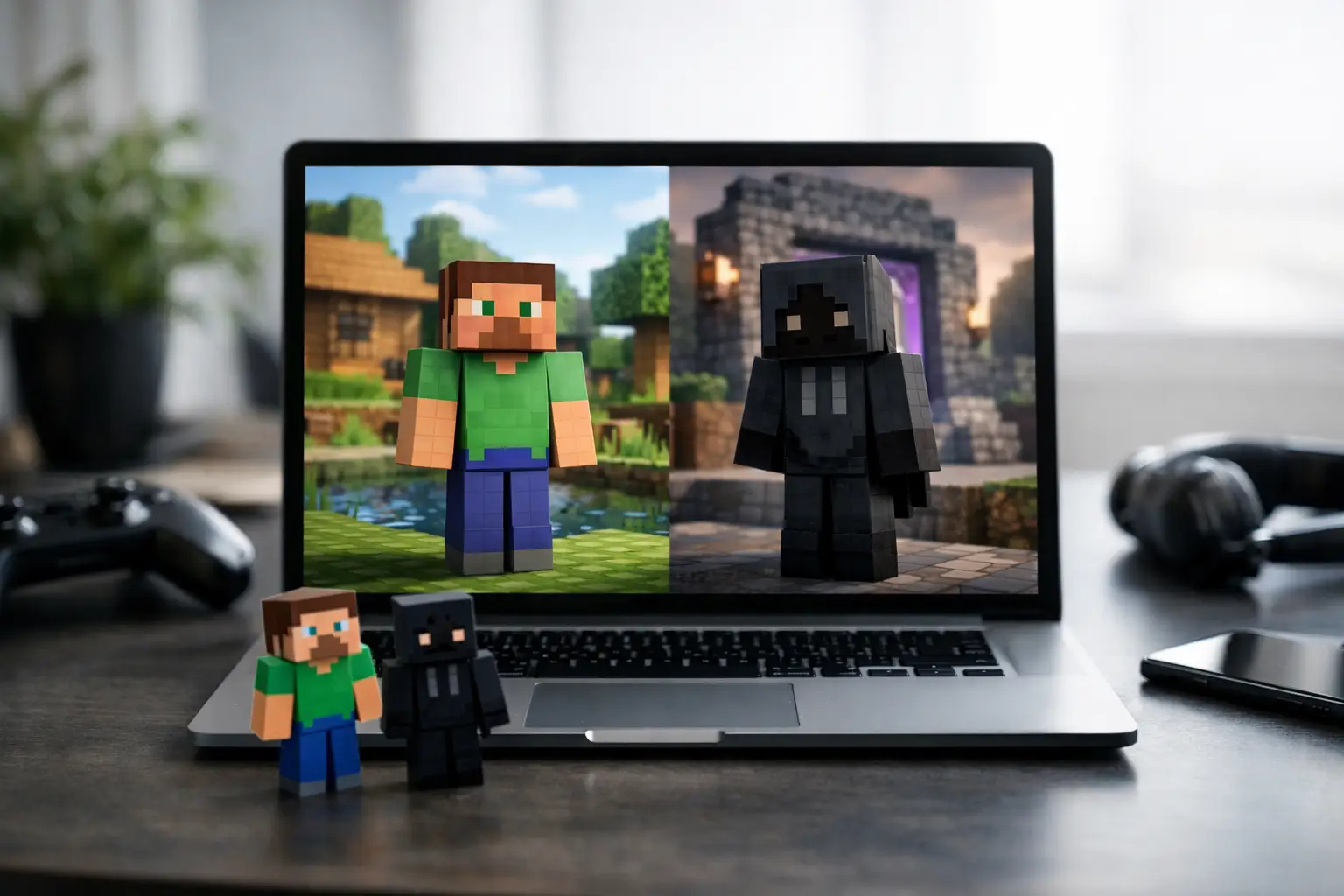
When people compare Minecraft alts, they are usually looking at three broad categories. The first is a basic playable account with standard access. The second is a higher-tier option that may come with stronger verification or cleaner account history. The third is the ultra-cheap marketplace listing that looks good until you check what is missing.
The basic verified option is often the sweet spot for most players. It is usually the best fit if you want fast access without paying extra for features you may never use. If the credentials are delivered clearly and the account is ready to use, that covers what most buyers actually need.
Higher-tier accounts can make sense if you care more about confidence than the lowest possible price. A better-supported listing, manual fulfillment, and clear ownership details usually reduce friction. You are paying for fewer unknowns.
The lowest-priced listings are where buyers get tempted. Sometimes they work fine. Sometimes they come with vague access, delayed delivery, or no real support when something goes wrong. If a listing is missing basic information, the low price is often the warning sign, not the deal.
Price vs value is where most comparisons go wrong
A proper minecraft alt account comparison should treat price as one factor, not the whole decision. A lower sticker price can still be more expensive if it costs you time, causes login issues, or leaves you chasing support that never responds.
Value comes from what is included. Ask a simple question: after payment, do you receive full account credentials and clear next steps, or do you receive something partial that still needs work? The closer the process is to browse, purchase, receive, and play, the better the value usually is.
This is especially true for buyers who want the account now, not next week. Fast delivery has real value when the goal is immediate access. Manual fulfillment can also be a plus if it means the account is checked before delivery instead of pushed through an anonymous automated pipeline.
Access details matter more than product names
A product title can sound great and still tell you very little. What matters is the access model behind it. Are you getting full control of the account credentials? Is the delivery process clearly explained? Is there any mention of support if you hit an issue after purchase?
Those details matter because the account is the product. If ownership is vague, the product is vague. If delivery is vague, the purchase experience is vague.
Buyers should pay attention to whether the seller emphasizes full access after delivery. That is one of the strongest trust markers in this space. It means you are not paying for temporary use or unclear control. You are paying for an account you can actually manage.
Delivery speed is not just a bonus
For digital goods, delivery speed is part of product quality. If you buy an alt account to play tonight, then a listing with slow or inconsistent fulfillment is not really a cheaper alternative. It is the wrong product for your use case.
This is where seller style matters. Some stores are built around fast, direct fulfillment with clear expectations. Others behave more like loose marketplaces where the handoff is unpredictable. That difference affects the buyer more than small price gaps do.
A fast process also reduces buyer anxiety. You know what you bought, when to expect it, and what happens next. That kind of clarity is worth a lot in a category where uncertainty is common.
Support is the difference between a transaction and a gamble
A good minecraft alt account comparison should always include support quality. Not because buyers plan to use support, but because support tells you how serious the seller is.
Real human support matters more than a vague help promise. If the seller manually fulfills orders and clearly states that assistance is available, that usually signals a more controlled operation. It also means there is a path forward if you need help with delivery or account details.
On the other hand, anonymous sellers often compete almost entirely on price. That can work if everything goes right. If anything does not, you are often left with delays, canned replies, or no resolution at all.
The trade-off is simple. Marketplace-style buying may look cheaper upfront. Storefront-style buying usually offers more confidence. Which one matters more depends on your risk tolerance and how quickly you want a playable result.
Security and payment options should be part of the comparison
A lot of buyers focus so much on the account itself that they forget to compare checkout confidence. Secure payment options, clear policies, and visible trust signals are part of the product experience too.
If a seller offers recognized payment methods and clearly communicates delivery and guarantee terms, that reduces friction immediately. You know what you are paying for and how the purchase is handled. That is very different from sending money into a listing with almost no accountability.
This does not mean the most polished store is always the best choice. It means payment transparency should influence your decision. If the checkout feels unclear, the rest of the experience may be too.
When a cheaper alt is enough
Not every buyer needs the highest-confidence option. If you are price-sensitive, buying for light use, or just need a secondary account for simple testing, a lower-cost option can be enough if the basics are covered. The account should still come with usable access, clear delivery, and some level of support.
This is the key point: cheap is fine when it is still functional and transparent. Cheap becomes a problem when missing details are treated like normal.
For a casual buyer, the right account is often the one that gets you playing quickly without overpaying for extras. For a heavier user, spending a bit more for cleaner fulfillment and stronger reassurance is usually worth it.
When it makes sense to pay more
Pay more when your time matters more than the savings. If you want fewer unknowns, a smoother handoff, and a better shot at immediate use, a higher-trust seller is usually the better buy.
This is especially true if you have bought digital accounts before and already know where the pain points are. Delayed delivery, weak communication, and unclear ownership details are common frustrations. Paying to avoid those is a practical decision, not just a premium one.
That is why many buyers lean toward stores built around verified accounts, manual fulfillment, secure payments, and visible support. A seller like ShopAlts fits that model by keeping the process simple and focused on full access and fast delivery instead of leaving buyers to sort through random listings.
A simple way to compare before you buy
If you want to compare options quickly, use this order: access first, delivery second, support third, price fourth. That sequence keeps you focused on outcomes instead of marketing.
Start by checking whether you receive full credentials. Then confirm how delivery works and how fast it is expected to be. After that, look for signs of real support and clear payment handling. Only then should you judge whether the price is good.
That approach filters out a lot of bad options fast. It also helps you avoid the common mistake of choosing a listing based on headline price and figuring out the rest after payment.
The best purchase is usually not the flashiest one or the absolute cheapest one. It is the one that gets you from checkout to playable account with the least friction. If you compare with that standard, the right option gets a lot easier to spot.