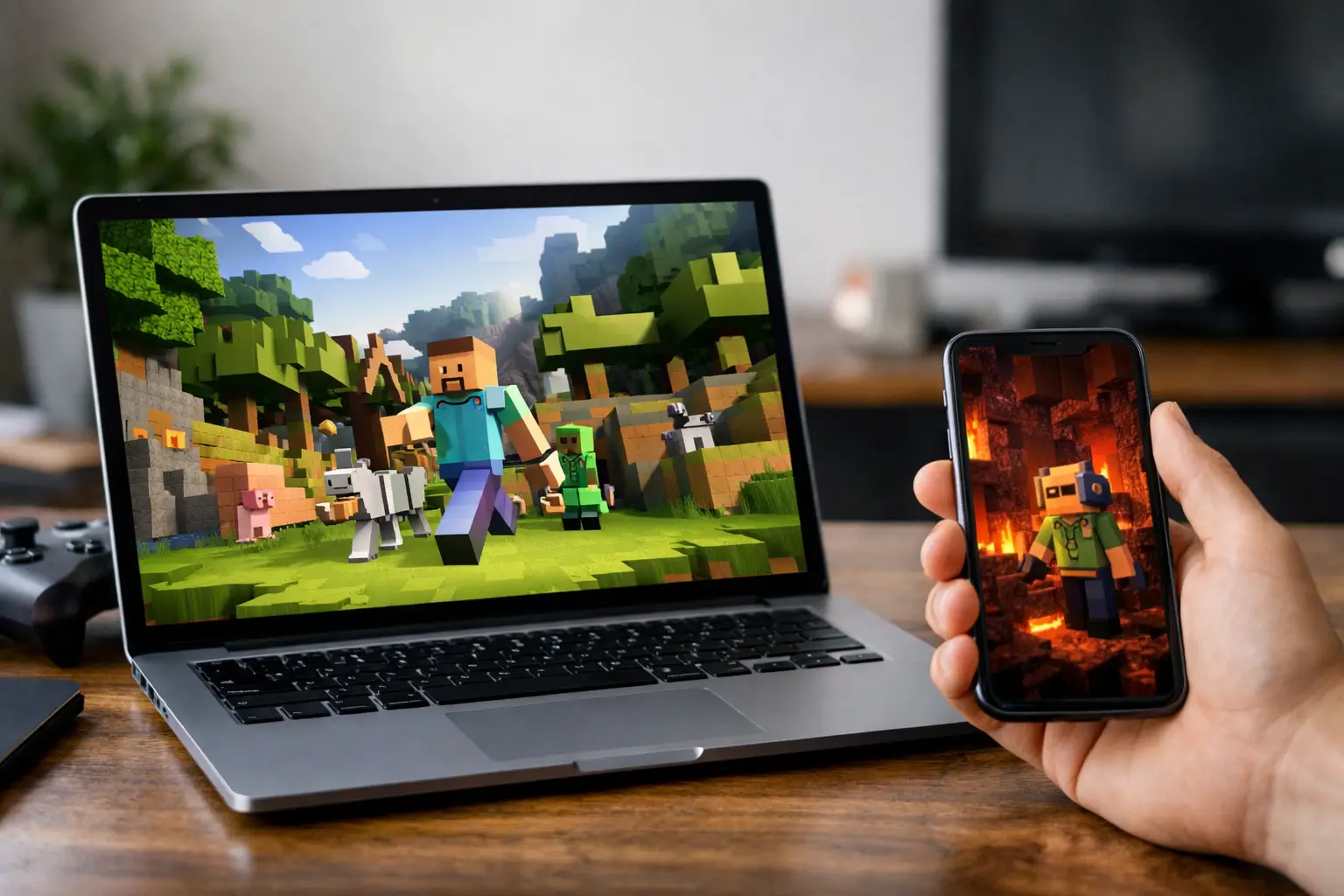
If you’re figuring out how to choose a second Minecraft account, the wrong pick usually shows up fast – bad access, unclear ownership, slow delivery, or an account that doesn’t fit how you actually play. A second account should make things easier, not create another problem to fix.
Why players buy a second Minecraft account
Most buyers are not looking for anything complicated. They want a clean extra account for a specific use case. That might mean keeping one account for survival and another for testing, using a separate identity for multiplayer, starting fresh without touching a main profile, or setting up a backup account that is ready to use.
That use case matters because it changes what counts as a good purchase. If you just want a simple extra login, speed and full access matter most. If you care about long-term use, account recovery details and clear ownership become more important. If you plan to use the account on servers, you need to pay closer attention to edition and setup.
A lot of bad purchases happen because people shop by price alone. Cheap can work, but only if the account is actually usable and the seller is clear about what you receive.
How to choose a second Minecraft account for your needs
Start with the basic question: what is this second account for? That sounds obvious, but it saves time.
If you want a second account for casual play, you probably do not need anything fancy. You need a working account, full login credentials, and a seller with a clear delivery process. If you want it for more consistent use, you should be stricter about security, ownership access, and support after delivery.
It also helps to think about whether you want a fresh start or a prepared account. Some buyers want the simplest option possible – receive credentials, log in, and play. Others care about specific account status, profile setup, or how quickly they can change details after delivery. Neither is better by default. It depends on whether convenience or customization matters more to you.
Pick the right Minecraft edition first
Before you compare sellers, make sure you’re buying the right version. This is one of the easiest ways to waste money.
Minecraft Java and Minecraft Bedrock are not interchangeable in the way many buyers expect. If your main goal is PC multiplayer with Java servers, mods, and the typical desktop Minecraft experience, Java is usually the one that matters. If you’re playing across platforms or buying for a different setup, your needs may be different.
A second account only helps if it works where you plan to use it. So check your device, your launcher setup, and the servers or modes you want to access. Do that before you care about price tiers, extras, or delivery promises.
Full access matters more than a low price
When buyers ask how to choose a second Minecraft account, this is usually the biggest filter: do you get full ownership access, or are you just getting temporary login details?
You want clear credentials and the ability to control the account after delivery. That includes the login information you need to use it, and ideally the ability to update account details where applicable. If a listing is vague about access, that is a problem. If a seller avoids saying exactly what you receive, that is also a problem.
A cheaper account with unclear control is often more expensive in the long run because you end up replacing it. A reliable account with full access is usually the better value, even if the upfront price is higher.
Check delivery speed, but also how delivery happens
Fast delivery is good. Clear delivery is better.
Some buyers only look for the word instant and stop there. But speed without transparency can still be messy. What you want is a seller that explains the process plainly: when you receive the account, how credentials are delivered, and what kind of support exists if something needs attention.
Manual fulfillment can actually be a positive sign when it comes with real communication and controlled delivery. It often means there is an actual process behind the order instead of a random automated handoff with no support if something goes wrong.
Look for simple signals: clear order flow, realistic timing, secure payment options, and a stated support path. Those details tell you whether the purchase is built for convenience or just marketed that way.
Security should be visible, not assumed
A second Minecraft account is still a digital purchase tied to access. Treat it that way.
You should expect secure checkout options, straightforward payment methods, and a seller that does not hide behind vague promises. If a store mentions support, guarantees, or account access policies, that helps reduce risk because you know what happens after payment.
This is also where transparency matters. A clean storefront, clear product naming, and direct explanations usually beat marketplace listings that leave too much open to guesswork. Buying from a seller with a defined process is often safer than chasing the lowest possible deal from an anonymous source.
Know what you’re paying for
Not every second account is sold the same way. Some listings are basic. Others are packaged in tiers or editions. That is not automatically a gimmick. Sometimes it is just a cleaner way to match different budgets and needs.
The important part is whether the product page tells you what changes between options. Are you paying for faster delivery, different setup, account quality, or just branding? If the differences are clear, you can decide quickly. If they are not, move on.
This is one area where a direct store model can save time. A structured catalog is easier to compare than scattered offers with inconsistent descriptions. For buyers who want a fast browse-purchase-receive-play flow, that clarity matters.
Watch for red flags before you buy
A few warning signs are common. The first is weak product information. If you cannot tell what edition the account is for, what access you receive, or how delivery works, you are buying blind.
The second is unrealistic language. If everything sounds too good, too cheap, and too guaranteed without any real explanation, be careful. Reliable sellers do not need to overcomplicate the pitch. They tell you what you get, how fast you get it, and what support exists.
The third is no visible support. Even if you never need help, knowing there is a real human response path matters. Digital goods are simple when they work and frustrating when they do not. Support is part of the product.
The best choice depends on how you play
There is no single best answer to how to choose a second Minecraft account because buyers are solving different problems.
If speed matters most, prioritize fast delivery, clear credentials, and a seller with a simple checkout process. If long-term reliability matters more, focus on full access, transparent ownership details, and visible support. If you are buying on a budget, do not chase the absolute lowest price unless the listing is still clear and credible.
For a lot of players, the sweet spot is simple: a verified account, secure payment, full credentials, and a straightforward delivery process. That is enough to remove most of the friction.
A practical way to make the decision
If you want the fastest way to choose, narrow it down to four questions. Is it the right Minecraft edition for your setup? Do you get full account access? Is the delivery process clearly explained? Is there real support if needed?
If the answer is yes across the board, you are probably looking at a solid option. If one of those answers is unclear, keep looking.
That is also why stores like ShopAlts appeal to buyers who want less guesswork. The value is not just having accounts available. It is the clear retail process – browse, buy, receive, play – with transparent delivery and support expectations.
Buying a second Minecraft account should feel like solving a problem quickly, not creating a new one. Pick the account that fits your setup, gives you real access, and comes from a seller that is clear from checkout to delivery.